
Making the Office Irresistible: A Guide to Enhancing Culture and Engagement
Building a New Definition of the Office
The pandemic fundamentally changed how the world works. Remote setups gave employees the freedom to skip long commutes and spend more time with their families, while employers discovered that output didn’t always require office presence. Now, as companies worldwide strive to bring workers back to the office, the landscape remains challenging.
The demand isn’t simply to reopen office doors—it’s to reignite office culture, create purposeful in-person interactions, and craft an environment so dynamic and engaging that employees want to come back. This isn’t about tethering people to their desks. It’s about making employees feel energized to collaborate, innovate, and grow in the office space.
If you're an HR professional or business owner wondering how to make the office irresistible, this conversation is for you.
“The demand isn’t simply to reopen office doors—it’s to reignite office culture, create purposeful in-person interactions, and craft an environment so dynamic and engaging that employees want to come back.”
Understanding Employee Perspectives
Before strategizing how to get employees back, it’s vital to understand their needs and the roadblocks they face in returning.
Insights from Studies
A few recent reports highlight a significant perspective shift:
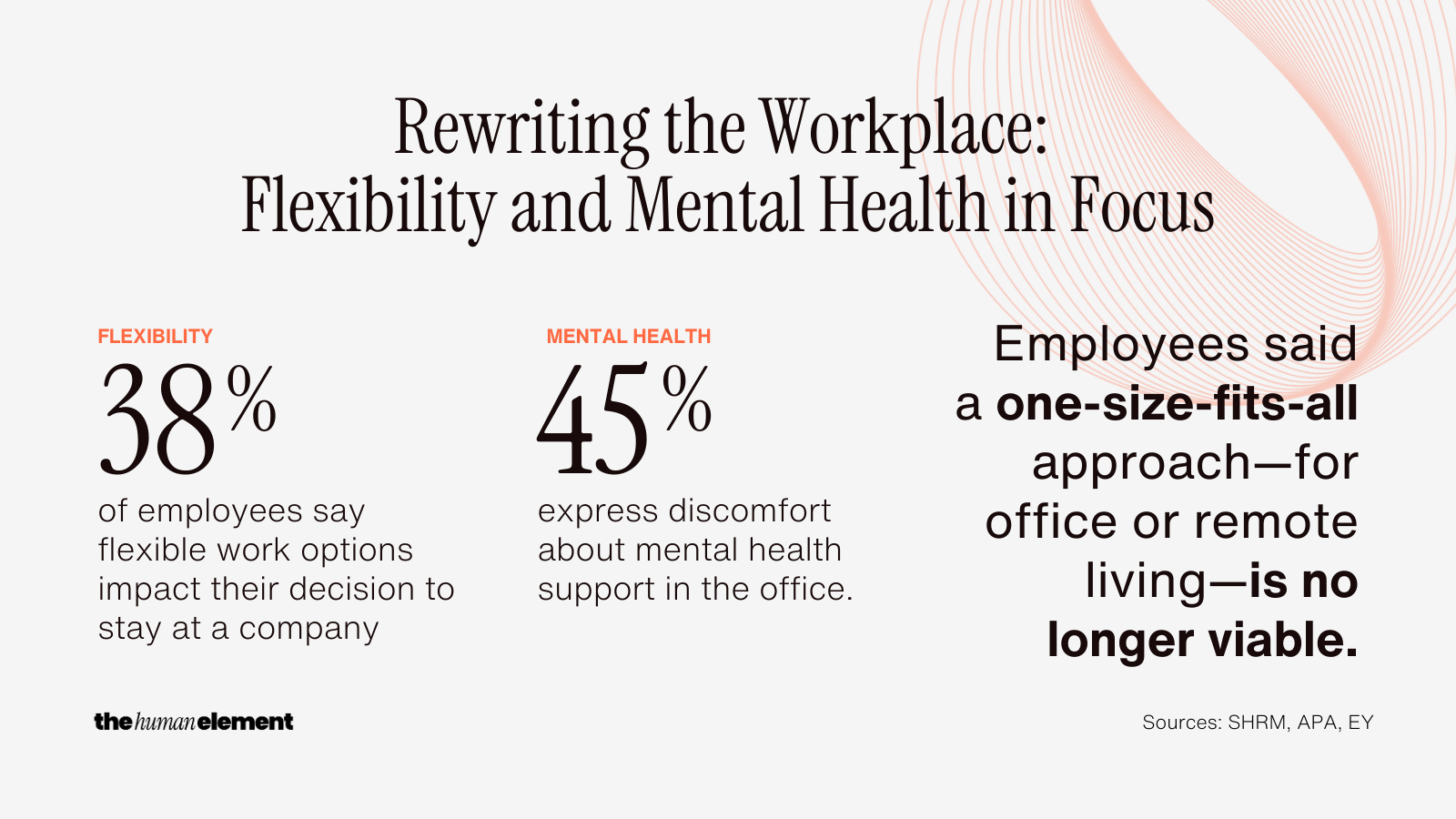
38% of employees say flexible work options impact their decision to stay at a company. (source)
45% express discomfort about mental health support in the office. (source)
Employees said a one-size-fits-all approach—for office or remote living—is no longer viable. (source)
Challenges to Returning
Here’s why many employees feel hesitant about coming back to the office:
Commutes are a dealbreaker. After years of productive remote work, lengthy commutes seem unnecessary to many.
Office spaces are uninspiring. Traditional cubicle layouts deter creativity and collaboration.
Work-life balance fears. Employees fear losing personal freedom and flexibility.
Lack of engagement incentives. Without meaningful reasons to return, remote work becomes the default “better” option.
To rebuild enthusiasm about office life, organizations must prioritize employee engagement and empathy in the workplace.
Strategies for Making the Office Irresistible
Now that we understand employees’ viewpoints, here’s how to turn the office into the place where employees want to gather, collaborate, and contribute.
1. Flexible Work Schedules
Offer a hybrid model that blends the best of remote and in-office work. Provide employees with options such as:
Choose your days: Allow employees to determine which in-office days work best.
Core collaboration hours: Require physical presence only for specific team-building sessions or brainstorming workshops.
This creates balance, empowering employees to tailor a work schedule that aligns with their lifestyle.
2. Revamping the Office Space
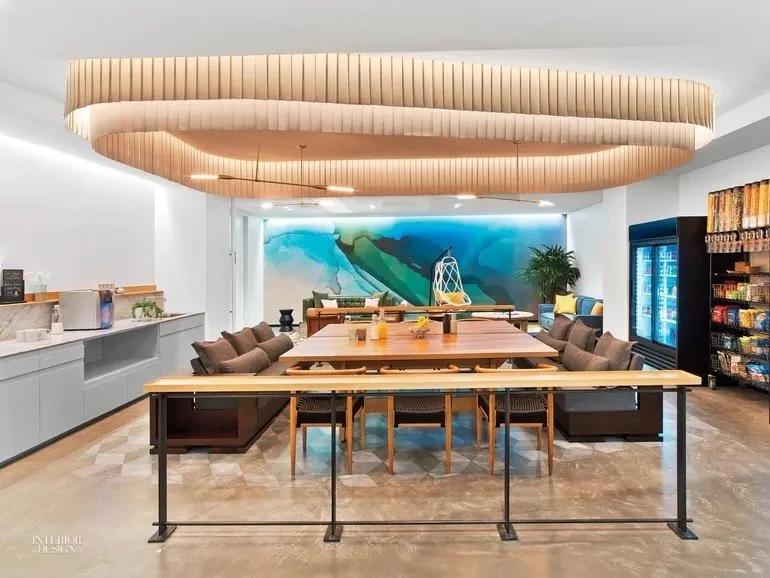
The future of workspaces isn’t about desks—it’s about experiences.
Create collaboration zones. Introduce open spaces where team members can brainstorm and build together.
Add comfort and creativity. Think cozy corners with plants, modular furniture, natural lighting, and quiet pods for focus work.
Social moments matter. Whether it’s a coffee bar, game corner, or a chillout zone, design areas that promote casual interactions.
3. Implementing Wellness Programs
Companies that highlight employee wellness see better productivity, customer loyalty strategies, and retention rates. Focus here:
Mental health resources. E.g., onsite counseling services or partnerships with apps like BetterHelp.
Fitness initiatives. On-site yoga classes, ergonomic desk workshops, or gym discounts show that health matters.
Mindful moments. Weekly meditation or reflective sessions create mindful, balanced employees.
4. Cultural and Social Engagement
Reignite workplace enthusiasm through shared experiences.
Organize off-site retreats or cultural visits such as museum tours.
Bring in inspirational speakers for creative thinking training.
Host quarterly team workshops that combine education with fun, like mixology classes or leadership development exercises.
These initiatives strengthen team bonds and build loyalty over time.



Communicating Change Effectively
Change only works when it resonates. Thoughtful communication fosters transparency, builds trust, and helps employees buy in.
Clear Communication
Here’s what strong communication looks like:
Clarity on WHY: Explain how in-office interactions drive innovation and professional growth.
Empathy over policy: Highlight that personal flexibility and balance remain central priorities.
Two-way feedback: Give employees the space to voice concerns or suggestions.
Real-Life Examples
Dropbox embraced a “Studio Flex” model—employees use drop-in offices nearly 50% smaller than before, yet outrank others for collaboration.
HubSpot invested deeply in employee-led committees to reshape its hybrid structure. Result? Higher engagement and talent retention.
Success stories like these show that human-first design wins in the workplace.
Technology and Tools for a Seamless Transition
Facilitate Hybrid Workflows
Blend physical and digital workspaces effectively with these tools:
Collaboration platforms: Tools like Slack, Microsoft Teams, or Miro ensure seamless communication.
Scheduling apps: Use tools like Deskpass to schedule in-person office meetings.
Cloud integration: Centralize team workflows using platforms like Google Drive and Monday.com.
Boost Employee Performance Tracking
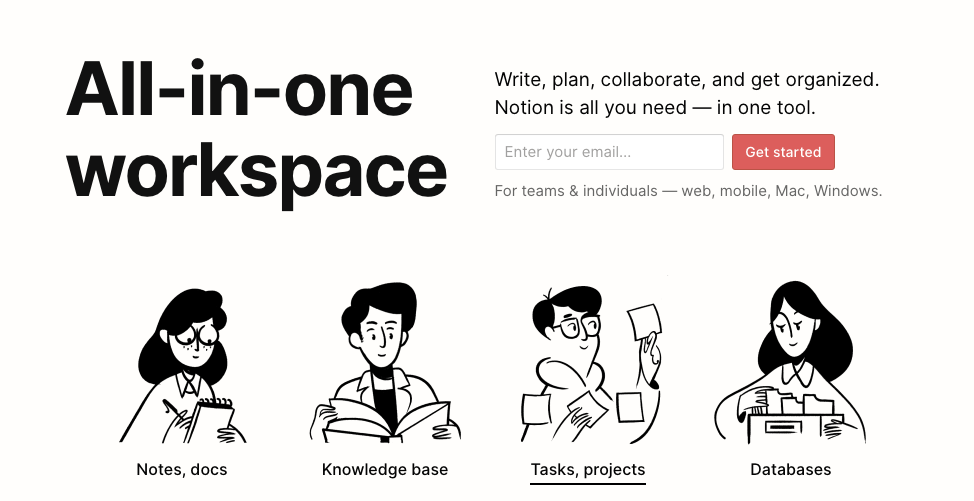
Invest in tech that measures performance in ways that matter—with insights into productivity, not surveillance. Platforms like Notion allow managers to empower teams through clarity, without micromanagement.
Designing the Balanced Future of Work
The key to an irresistible office? Balance and purpose. When organizations prioritize well-being alongside business outcomes, extraordinary things happen.
By making small but impactful changes—whether reinventing your workplace culture, hosting inspiring team-building sessions, or fostering empathy in the workplace—you create a ripple effect. Teams become happier, collaborative, and deeply engaged.
Lastly, remember this process is dynamic. Encouraging feedback—and acting on it—keeps the workplace evolving.
Want to unlock new perspectives and strategies? Explore our cultural experiences, or join the conversation on leadership development and empathy-driven corporate culture.
Together, we can redefine the future of work.
At The Human Element, we advocate for a connected approach to corporate success that merges innovation, empathy, and culture. Ready to unlock your team's potential?
Invest in impactful team-building activities that foster deeper connections. Book your cultural experience today to see how art and creativity can enhance workplace relationships. Together, we can cultivate a more engaged, creative, and empathetic business world.